The Importance of Dark Sky Reserves
As urbanization spreads, the natural night sky has become a rare sight. Light pollution not only obscures the stars but also disrupts ecosystems and nocturnal wildlife. To combat this, international astronomical organizations evaluate and certify areas as Dark Sky Parks and Reserves. These designations are awarded to regions possessing exceptional starry nights and a nocturnal environment specifically protected for scientific, natural, educational, cultural heritage, or public enjoyment.
Top Global Destinations
1. Atacama Desert, Chile
Often considered the holy grail of astrotourism, the Atacama Desert in northern Chile offers an unparalleled stargazing experience. High altitude, unpolluted air, and virtually zero cloud cover (the region receives mere millimeters of rain per year) create a window into the cosmos that is arguably the clearest on Earth. The arid environment ensures minimal atmospheric distortion, allowing visitors to see the Large and Small Magellanic Clouds with the naked eye.
2. Aoraki Mackenzie International Dark Sky Reserve, New Zealand
Covering a vast expanse of the South Island, this reserve is famous for its stunning alpine backdrop. The strict lighting controls in the Mackenzie Basin ensure that the night sky remains pristine. Visitors here are treated to spectacular views of the Southern Cross, the Milky Way core, and meteor showers reflecting off the glacial lakes.
3. NamibRand Nature Reserve, Namibia
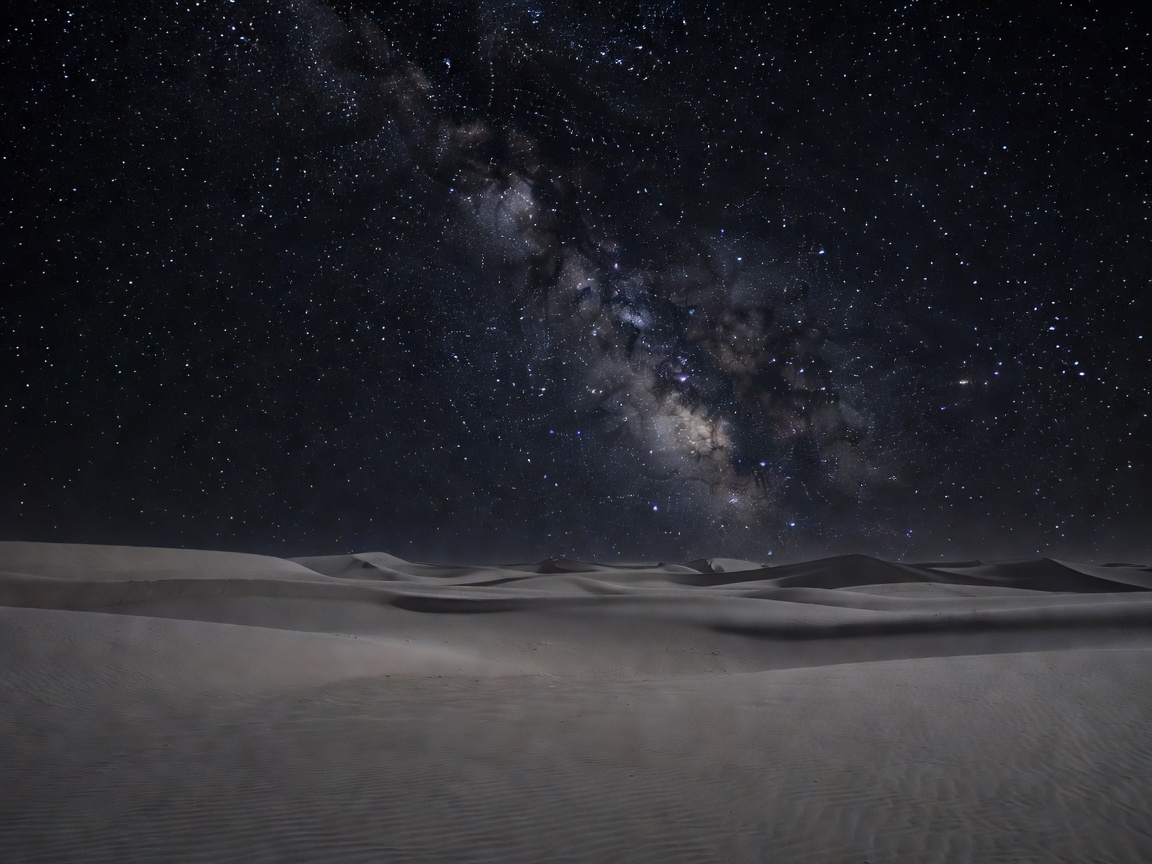
As Africa’s first certified Dark Sky Reserve, NamibRand boasts exceptionally dark skies. Located in one of the least populated countries in the world, the nearest source of significant light pollution is hundreds of miles away. Astrotourists here can camp under the stars in total isolation, surrounded by the hauntingly beautiful red dunes of the Namib Desert.
4. Jasper National Park, Canada
The second-largest dark sky preserve in the world, Jasper is unique because it is entirely accessible, complete with a township within its borders that strictly regulates lighting. The annual Jasper Dark Sky Festival attracts astronomers and science communicators from around the globe, making it an excellent educational destination for families and amateur astronomers alike.
Comparison of Key Stargazing Parameters
| Destination | Hemisphere | Best Season | Key Sights |
|---|---|---|---|
| Atacama Desert, Chile | Southern | April to September | Magellanic Clouds, Tarantula Nebula |
| Aoraki Mackenzie, NZ | Southern | March to August | Southern Cross, Galactic Center |
| NamibRand, Namibia | Southern | May to October | Zodiacal Light, Milky Way Core |
| Jasper National Park, Canada | Northern | September to March | Andromeda Galaxy, Northern Lights |
Planning Your Astrotourism Trip
When selecting a stargazing destination, consider the phases of the moon. The best time for deep-sky observation is during the new moon phase, when lunar light does not wash out the fainter stars and nebulae. Conversely, if your goal is lunar photography, a full or quarter moon might be preferable.
Additionally, prepare for the elements. Many of the world’s best dark sky locations are at high altitudes or in desert environments where nighttime temperatures plummet, even in summer. Specialized cold-weather gear, red-light flashlights (to preserve your night vision), and a basic star map or smartphone app are essential items for any astrotourism itinerary.
By visiting these locations, astrotourists directly support the local economies that have committed to preserving the night sky. This sustainable form of tourism proves that a dark sky is a valuable natural resource worth protecting for future generations.