The Intersection of Science and Tourism
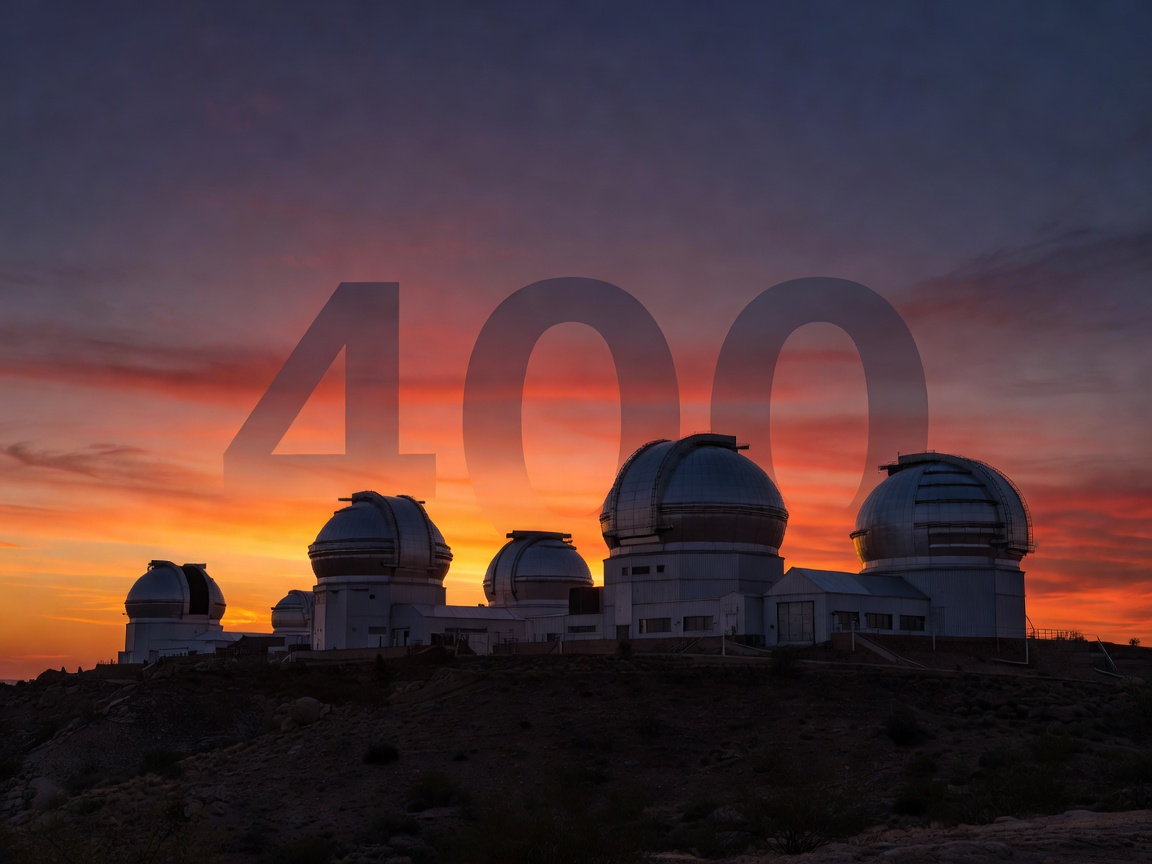
For centuries, humans have built monumental structures to peer into the heavens. Modern observatories are feats of engineering, situated on the summits of dormant volcanoes or deep within arid deserts to escape atmospheric distortion and light pollution. While these facilities are primarily dedicated to rigorous scientific research, many recognize the public's thirst for astronomical knowledge and have opened their doors to astrotourists.
Iconic Observatories to Visit
1. Mauna Kea Observatories, Hawaii
Located at nearly 14,000 feet above sea level on the Big Island of Hawaii, Mauna Kea is home to an independent collection of astronomical research facilities representing nations from across the globe. The altitude places the telescopes above 40% of the Earth's atmosphere, providing exceptionally dry and stable air. While access to the actual telescope domes is restricted to researchers, the Visitor Information Station at 9,200 feet offers public stargazing programs that provide an unforgettable look at the cosmos in one of the most revered locations in astronomy.
2. Griffith Observatory, California
Unlike the remote research outposts, Griffith Observatory is perched on the south-facing slope of Mount Hollywood, looking directly over the light-drenched basin of Los Angeles. Despite the severe light pollution, Griffith remains one of the most visited public observatories in the world. It serves an educational purpose, offering free public telescope viewing through its historic Zeiss telescope, inspiring millions of city dwellers to look upward.
3. ALMA (Atacama Large Millimeter/submillimeter Array), Chile
Situated at an astonishing 16,500 feet on the Chajnantor plateau in the Chilean Andes, ALMA is not a traditional optical telescope, but a massive array of 66 radio antennas. ALMA observes the universe in millimeter and submillimeter wavelengths, peering through dense dust clouds to study the formation of planets, stars, and galaxies. While the high-altitude array itself is largely off-limits to the public due to extreme physical conditions, tourists can visit the ALMA Operations Support Facility at a lower altitude, where the colossal antennas are maintained and operated.
Optical vs. Radio Astronomy
When planning observatory visits, it is useful to understand the distinction between optical and radio observatories.
- Optical Observatories: These house telescopes with massive curved mirrors that gather visible light. They are characterized by iconic spherical domes that open at night. They require pitch-black skies, meaning they are strictly nighttime operational and highly sensitive to weather conditions.
- Radio Observatories: Comprising vast parabolic dish antennas, these observatories detect radio waves emitted by celestial bodies. Unlike optical telescopes, they can operate during the day and are largely unaffected by cloud cover, making them versatile tools for mapping the invisible structures of the universe.
Planning Your Visit
Visiting a major research observatory requires careful planning. Many remote locations require four-wheel-drive vehicles to navigate steep, unpaved access roads. Additionally, extreme altitudes pose significant health risks; visitors to places like Mauna Kea are strongly advised to acclimatize at intermediate elevations to prevent altitude sickness.
Always check the official observatory websites months in advance. Public access is often limited to specific days of the week, and guided tours or stargazing programs frequently require reservations. Remember that these are active scientific environments where the primary focus is data collection; maintaining quiet, adhering to light restrictions (such as turning off car headlights and avoiding flash photography), and respecting the boundaries set by the institutions ensures that both science and astrotourism can coexist harmoniously.