The Science Behind the Spectacle
The Aurora Borealis, or Northern Lights, is a natural light display predominantly seen in high-latitude regions. This phenomenon is caused by collisions between electrically charged particles released from the sun that enter the Earth's atmosphere. The resulting colorful, dancing lights are highly dependent on solar activity, specifically solar flares and coronal mass ejections (CMEs).
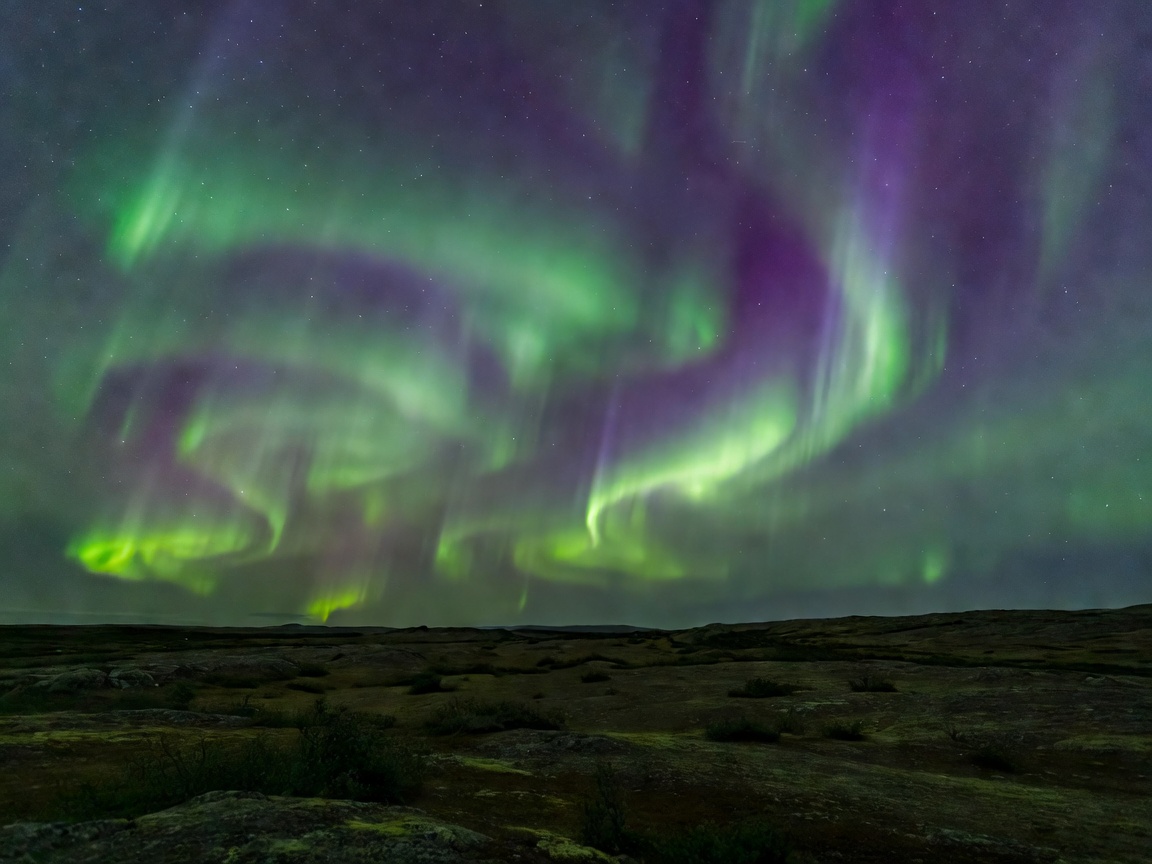
The Earth’s magnetic field funnels these charged particles toward the poles, which is why auroras are typically seen above the Arctic Circle (and their southern counterpart, the Aurora Australis, near the Antarctic). The specific colors of the aurora—vibrant greens, rare reds, and occasional purples—depend on the type of gas particles colliding and the altitude at which the collision occurs. Oxygen produces green and red light, while nitrogen generates blue and purplish-red hues.
Solar Cycles and the Kp Index
Aurora activity waxes and wanes with the solar cycle, an approximately 11-year period during which the sun's magnetic activity peaks (Solar Maximum) and dips (Solar Minimum). During a Solar Maximum, sunspots are frequent, leading to more intense and frequent auroral displays that can occasionally be seen at lower latitudes.
To forecast the likelihood of seeing an aurora on a given night, hunters use the Kp Index. The Kp Index measures geomagnetic disruption on a scale from 0 to 9.
- Kp 0-2: Calm geomagnetic activity. Auroras are visible only at the highest latitudes (e.g., northern Norway, Iceland).
- Kp 3-4: Moderate activity. The auroral oval expands, making it visible in places like southern Scandinavia and central Canada.
- Kp 5+: A geomagnetic storm. Auroras may be visible much further south, sometimes reaching the contiguous United States or northern Europe.
Prime Locations for Aurora Hunting
Tromsø, Norway
Situated deep within the Arctic Circle, Tromsø is widely regarded as one of the best bases for aurora hunting in Europe. The city offers excellent infrastructure, a relatively mild coastal climate compared to other Arctic regions, and a multitude of guided tours that utilize local weather knowledge to find clear skies.
Abisko, Sweden
Abisko National Park is famous for the "Blue Hole of Abisko"—a patch of sky over Lake Torneträsk that, due to local microclimates, remains clear regardless of surrounding weather patterns. This creates a remarkably high success rate for aurora viewers, even when conditions elsewhere in Scandinavia are cloudy.
Fairbanks, Alaska, USA
Located directly beneath the auroral oval, Fairbanks experiences auroras on an average of more than 200 nights per year. Its continental climate means cold, crisp, and clear winter nights, providing an excellent canvas for the northern lights.
Practical Hunting Tips
Flexibility is the most crucial asset for an aurora hunter. Cloud cover is the enemy of the aurora viewer; a Kp 9 storm is useless if the sky is overcast. Successful hunting often involves driving for hours to find a break in the clouds. Renting a car or joining a dedicated aurora chasing tour that is willing to travel long distances increases your chances significantly.
Patience is also required. The lights can appear suddenly, dance vibrantly for twenty minutes, and then vanish entirely for the rest of the night. Prepare for extreme cold, bring thermals, a hot thermos, and expect to stay awake until the early hours of the morning. The reward of seeing the sky erupt in rivers of green light is entirely worth the wait.